


Learning about the Human Body is great fun! Exploring and understanding the amazing structure and design within the composition of human life, inevitably points to a Creator. Oh what a blessing to be made in the image of God! Use our crafts, activities and ideas to enhance your science lessons and unit studies on the human eye!

Pupil Response Chart
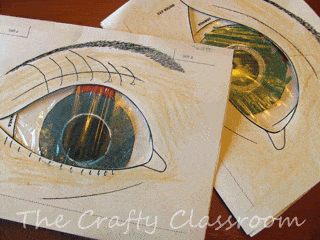
Using a bit of colored construction paper we made these pupil response visuals. This was a great way for children to really see how their pupils expand and contract based on available light.
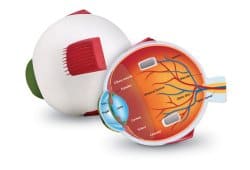
Parts of the Eye
We made thee amazing Lift-the-flap diagrams of the human eye. These printables were included in “The Body Book” by Scholastic. These really helped eye, and we will continue to use them in the coming years as we expand our knowledge of the human body.

Printable Optical Illusions
Here are some printable optical illusion cards to add to your science notebooks. There is a printable pocket for children to store them in as well. On the bottom three cards, older children can try their hand at making an illusion themselves! This set also includes afterimages and different tricks of the eye. These make fantastic notebooking pages

Touch & Feel Pictures
Using heavy cardstock, make a few picture cards out of glue. Blindfold children and then encourage them to use their sense of touch to see if they can figure out what the picture is

Braille Alphabet Printable
Print up these braille cards on heavy cardstock, then laminate. Use a small push pin to make the bumps and encourage your children to feel the texture. This won’t be exactly like braille but it helps solidify the idea of reading with your fingers.

Take a Color Blind Test
Use this website to take a color blind test with your children.

Human Body Facts for Kids
This website is filled with resources for children to learn about the human body. There are videos, games, quizzes, worksheets and more.
Suggested Resources for a Unit Study:


Leave a Reply